Spaceblast IO Asteroid Shooter Game Guide
Big releases ask for sixty hours of your life. Mobile time-killers ask for your wallet. Between them sits a quieter category that keeps gaining ground. Spaceblast fits there. It's a browser-based asteroid shooter that loads in seconds, runs on almost any device, and only asks you to survive a little longer than last time. The appeal isn't loud, but it sticks. For many players, that's exactly the draw.
The Quiet Return of the Arcade Loop in Modern Browser Games
There's something nostalgic about steering a small ship through drifting pixel debris. Arcade design never vanished, but it spent years buried under open worlds and live-service systems. Browser games like Spaceblast reverse that trend. They strip play back to one tight loop: see the threat, react, survive, repeat. The same logic powered early arcade cabinets. Now it lives in a tab next to your inbox.
This shift reflects how we actually fit play into a day. Few people have whole evenings for sprawling campaigns. Most have ten minutes between meetings or a quiet stretch before dinner. Lightweight digital pastimes have grown around that reality — arcade shooters, puzzle apps, and even the carefully designed lobbies of platforms like royals tiger. They respect the time you have, not the time you wish you had.
"The best short-form games don't compete with your attention — they reward whatever piece of it you're willing to give."
What Sets Spaceblast Apart in a Crowded IO Landscape
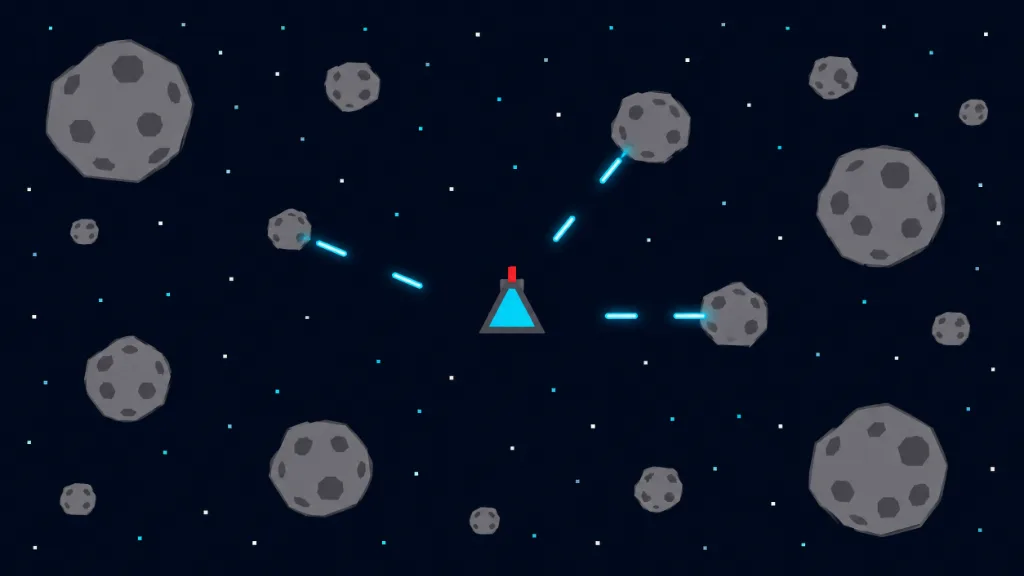
The .io genre is packed. Search for one game and dozens of near-identical titles appear. Spaceblast stands out through feel rather than features. Movement is smooth but never floaty. Asteroids carry enough weight that collisions feel earned. The scoring system rewards aggression without punishing caution. That balance is harder to build than it looks.
A few details explain why it holds attention longer than its peers:
- Responsive controls with no noticeable lag
- Clear visuals, so debris fields never feel like clutter
- A gradual scoring curve instead of sudden spikes
- Short sessions that fit a coffee break
- No tutorials, accounts, or paywalls
- A leaderboard that invites rivalry without forcing it
| Feature | Spaceblast | Typical .io Shooter |
|---|---|---|
| Load time | Under 5 seconds | 10–20 seconds |
| Account required | No | Often yes |
| Average session | 3–7 minutes | 8–15 minutes |
| Difficulty curve | Gradual | Spiky |
Much of this design lines up with what casual players quietly want. Not bigger. Not deeper. Just sharper.
Reading the Field: Movement, Timing, and Survival Instincts
The genre looks simple, but it rewards a subtle skill set. You aren't really shooting rocks. You're managing space. Every fragment splits into two smaller pieces, and each one travels along a path the larger rock hinted at. Strong players read the field like a chess board. They plan two or three moves ahead instead of reacting to the moment.
The Habits Strong Players Tend to Share
Watch a few skilled runs and patterns emerge. The best players aren't the fastest reactors. They're the most economical movers. They drift toward open space instead of chasing points. They treat each shot as a future obstacle, not just a current reward. That mindset takes time, and it carries over well beyond the game.
"Arcade games teach a kind of attention you can't fake. You either see the pattern in time, or you don't."
The learning curve is gentle but real. A handful of habits separate casual players from leaderboard regulars:
- Stay near the center early, then drift outward as the field thickens
- Hit large asteroids before they fragment
- Avoid tight clusters, even when the score tempts you
- Use short pauses in fire to reposition, not retreat
- Watch the edges of the screen for new threats
- Skip power-ups that pull you into dangerous corners
Why Lightweight Shooters Keep Winning Against Bigger Titles
It's easy to dismiss browser shooters as throwaway fun, but the numbers say otherwise. Quick-session games have grown steadily across every major platform. Developers have noticed. Even studios known for blockbusters now test shorter, contained experiences. Some of this is generational. Younger players grew up with games that fit between text messages. But a bigger part is structural. Attention is more fragmented than before, and games that admit it tend to outperform ones that don't.
| Player Type | What They Value Most | Typical Play Window |
|---|---|---|
| Commuter | Instant start, no progress loss | 5–10 minutes |
| Worker on break | Low cognitive load, clean visuals | 3–8 minutes |
| Evening unwinder | Mild challenge, no pressure | 15–25 minutes |
| Competitive casual | Leaderboards, skill ceiling | 20–40 minutes |
Spaceblast doesn't try to please everyone. It picks a lane — short, satisfying, skill-based — and commits to it. That kind of focus is rarer than it sounds.
Asteroid Combat and the Broader Shift Toward Snackable Digital Play
Zoom out and Spaceblast looks less like a single game and more like a small marker of a wider shift. Streaming services release episodes weekly instead of dropping full seasons at once. Social platforms reward short videos over long ones. Reading habits have moved toward newsletters consumed in pieces. Games are following the same pull. The format isn't shrinking because attention is weaker. It's adapting because life keeps getting interrupted.
Where the Genre Might Go Next
Expect more hybrids. Arcade shooters with light persistent progression. Cooperative versions playable through a shared link. Community events that stretch a five-minute loop into a weekend competition. The core appeal won't change. What will shift is how these games sit alongside the rest of our digital habits — podcasts, messaging apps, and the small rituals built around the screens in our pockets.
Spaceblast won't replace the games that demand more of you, and it isn't trying to. It offers something genuinely useful instead: a few minutes of focus, a clear goal, and the small reward of doing slightly better than last time. In a space that often confuses size with significance, that restraint feels refreshing. It's also a big part of why players keep coming back.